Arctic temperatures have risen more than twice the global average since 2006, NOAA report says

[ad_1]
The Arctic just experienced its hottest year since record-keeping began more than a century ago, the National Oceanic and Atmospheric Administration announced Wednesday. An increase in the temperature of cool place they show no signs of increasing, or, according to the agency, they are rising twice as fast as global temperatures.
NOAA has updated how the Arctic is doing in a warming world in the latest iteration of its annual Arctic Report card.
“To see the Arctic is to take a breath of the planet,” reads the report’s top summary. “The Arctic is warming several times faster than the Earth as a whole, reshaping northern landscapes, the environment, and the lives of Arctic people. Also changing the roles the Arctic plays in the world’s climate, economy and social systems.”
Since last year’s report cardClimate change has continued to affect the northern hemisphere even more than the rest of the planet, NOAA said. The latest report details some of the most concerning events that occurred in the past year, where scientists noted “a clear pattern of Arctic warming.”
During the observation period, from October 2024 to September 2025, the average sea temperature measured in the Arctic was higher than the 1991-2020 average by about 13 degrees Fahrenheit, according to the report. Those were the warmest sea temperatures seen in the Arctic since at least 1900, indicating a more intense climate in the region.
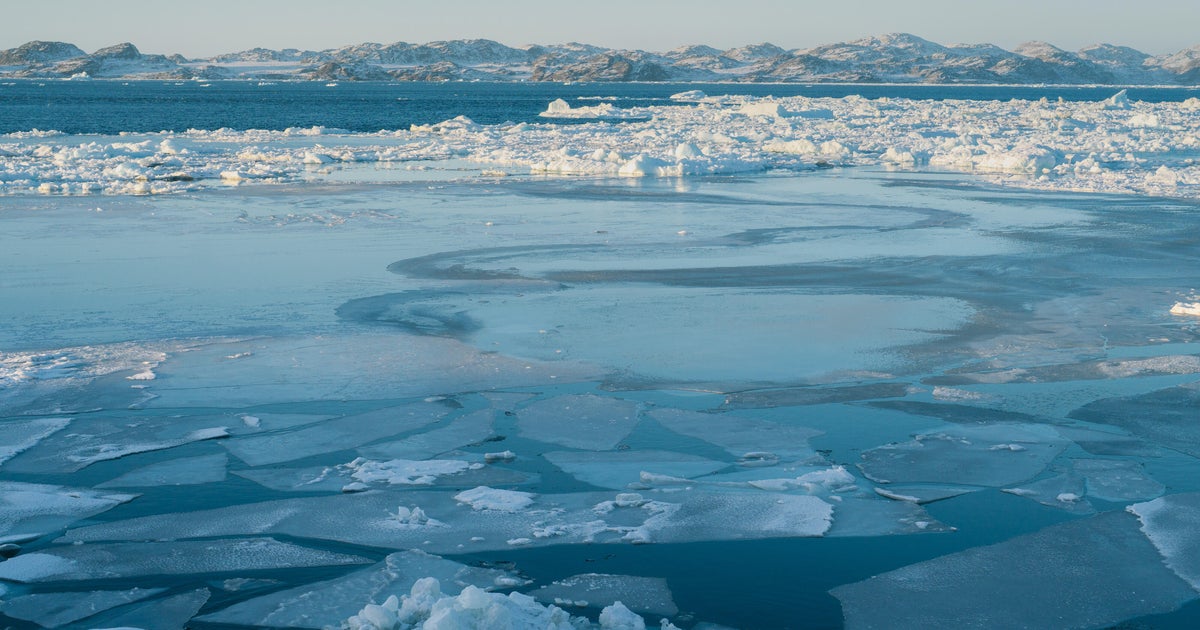
In March, the Arctic winter sea ice reached its lowest annual level in 47 years of satellite data collection, and six months later, snow reached its 10-year minimum. “All of the 19 lowest September snowfalls have occurred in the past 19 years,” the report noted.
Air temperatures have risen, too. The fall of 2024 was the warmest on record, and the winter of 2025 was the second warmest, the report card said. Scientists also determined that temperatures in the Arctic since 2006 have increased more than twice the global temperature. They have been warning for years that climate change is warming the northern region more than anywhere else.
Vital ecosystems are being altered by the persistent warming of the Arctic, according to the report card. Warming is accelerating the loss of sea ice and the melting of glaciers while changing the landscape of the region. Its tundra, for example, has been turning green like thawed permafrost and the long summer gives the leaves more opportunities to grow.
Scientists stress that what happens in the Arctic directly affects the whole world, especially as the extent of sea ice continues to decrease. Glaciers in Scandinavia saw their largest annual ice loss between 2023 and 2024, and the Greenland Ice Sheet lost an estimated 129 billion tons of ice by 2025, according to NOAA, continuing an ongoing trend.
“Continued ice loss is contributing to a gradual rise in global sea levels, threatening water supply to Arctic communities, driving devastating floods and increasing tsunami hazards that endanger people, infrastructure and coastlines,” the NOAA report said.